
Stavri Georgiou graduated from University of Sussex with a Bachelor of Media and Communications and a Master’s in Digital Media from Goldsmiths University of London. She deals with photography the last nine years with a variety of work in her portfolio. Alongside photography, she deals with video making, digital design and social media marketing.
Based: Aradippou, Cyprus
@stavri_1999 | Personal website
INTERVIEW
How did you find your way into art – was there a specific moment or person that set you on this path?
I found my way into art through my father. He was a painter, and from a very young age he introduced me to drawing, teaching me how to observe, translate, and feel what I see. That early exposure shaped the way I understand creativity—not just as a skill, but as a way of being present in the world.
As I grew older, that foundation naturally evolved. While I started with drawing, I became increasingly drawn to capturing moments in a more immediate and tangible way. I remember saving money while I was still in school to buy my first camera—something I worked towards with intention. That camera became a turning point. It allowed me to expand my practice beyond drawing and begin exploring photography and film as my main medium, gradually shaping the visual language I use today.
How would you describe your artistic practice to someone encountering your work for the first time?
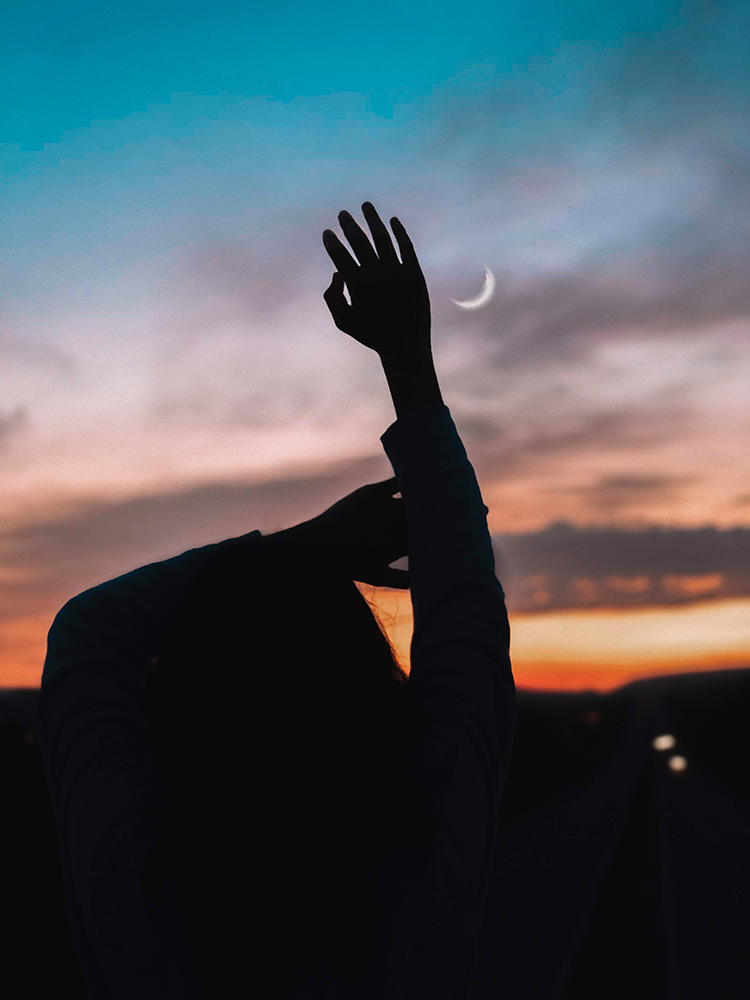
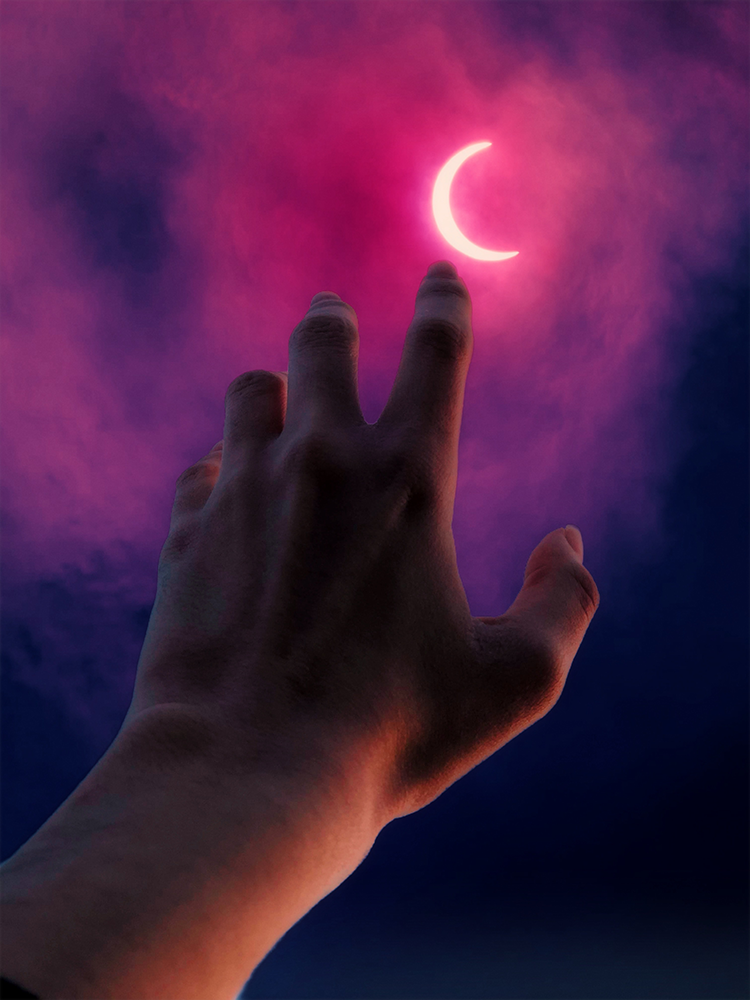
I would describe my artistic practice as a process of shaping atmosphere and emotion rather than simply documenting reality. My work sits somewhere between photography and cinema—I’m interested in creating images that feel like fragments of a larger, untold story.
I focus a lot on light, color, and composition to build a mood that feels both intimate and slightly surreal. There’s often a sense of stillness, introspection, or quiet tension in my images, where the subject exists in a moment that feels suspended in time. I’m drawn to contrasts—softness and intensity, presence and absence, reality and illusion.
At its core, my practice is about translating internal feelings into visual form. Whether through portraiture or constructed scenes, I try to create images that don’t just show something, but make you feel something—something subtle, cinematic, and open to interpretation.
What themes or ideas keep returning to your work, even when you don’t plan for them?
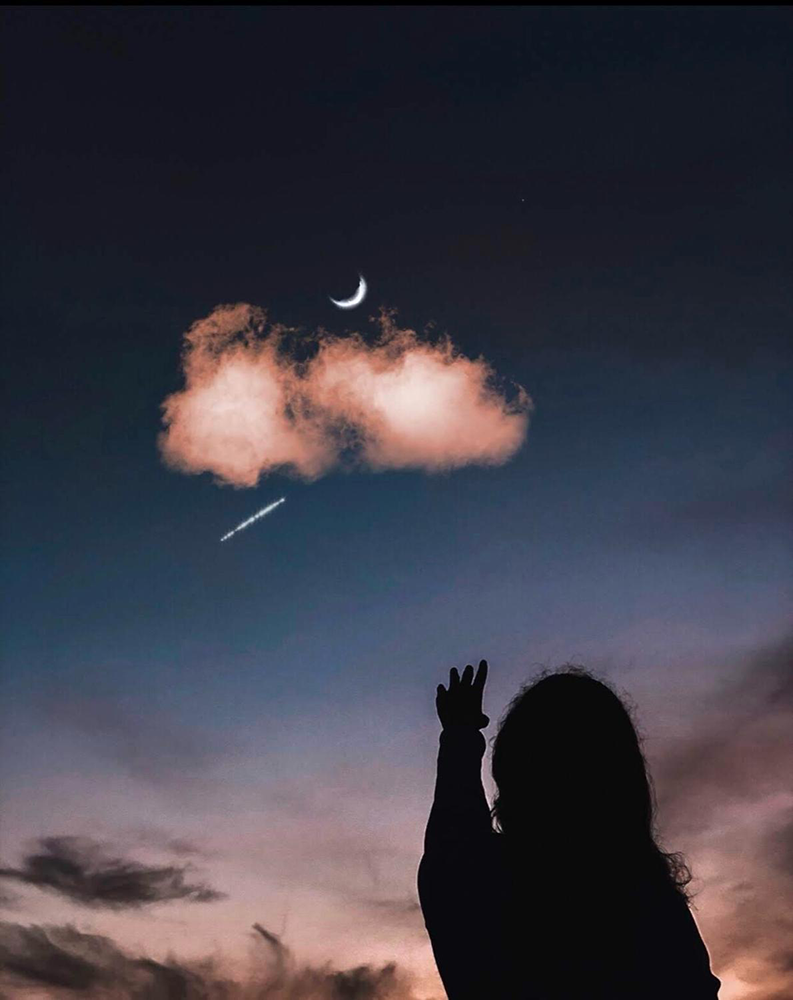
Themes of solitude and introspection tend to return to my work, even when I’m not consciously planning them. I often find myself drawn to moments where the subject feels alone—not necessarily in a negative way, but in a reflective, almost meditative state.
There’s also a recurring sense of duality. I’m interested in the space between reality and illusion, presence and absence, control and vulnerability. This often comes through in my use of light, reflections, or framing, where what you see isn’t always entirely straightforward.
Another theme that keeps reappearing is transformation—whether emotional or symbolic. Elements like smoke, shadows, or obscured faces subtly suggest change, mystery, or something unresolved. Even when I start with a simple visual idea, these layers naturally find their way in, shaping the image into something more psychological and open-ended.
Can you walk us through your process – from the first idea to a finished piece?
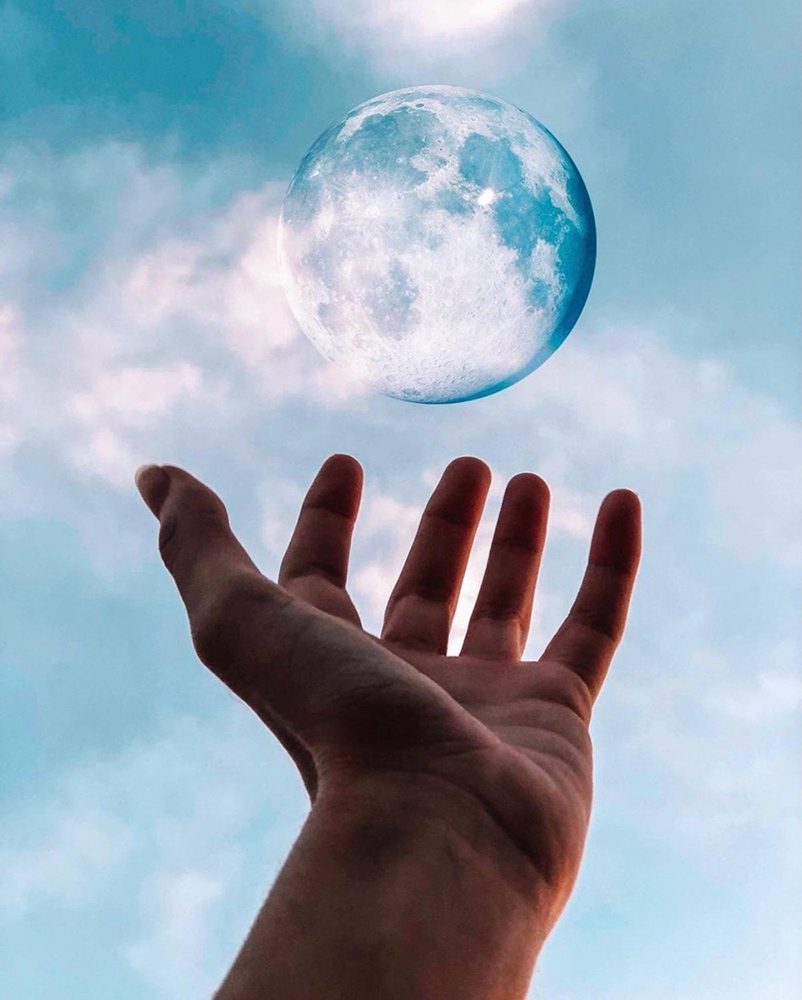
My process usually begins with a feeling rather than a fully formed idea. It might come from a memory, a certain mood, a color, a piece of music, or simply an image that stays in my mind. From there, I start shaping the atmosphere I want to create and think about how to translate that emotion visually.
Once the idea becomes clearer, I begin developing the visual language of the piece—thinking about location, styling, lighting, pose, and the overall tone of the image. I usually like to leave space for intuition as well, because some of the strongest moments happen spontaneously during the shoot.
During the process of photographing, I focus a lot on composition and emotion. I’m not only looking for a technically strong image, but for something that carries tension, softness, or a cinematic quality. After that, the final stage is editing, where I refine the mood through color, contrast, and light. That part is very important to me, because it helps complete the emotional world of the image and brings the original idea fully to life.
What are you currently working on, and are there any upcoming exhibitions or projects you’d like to share?
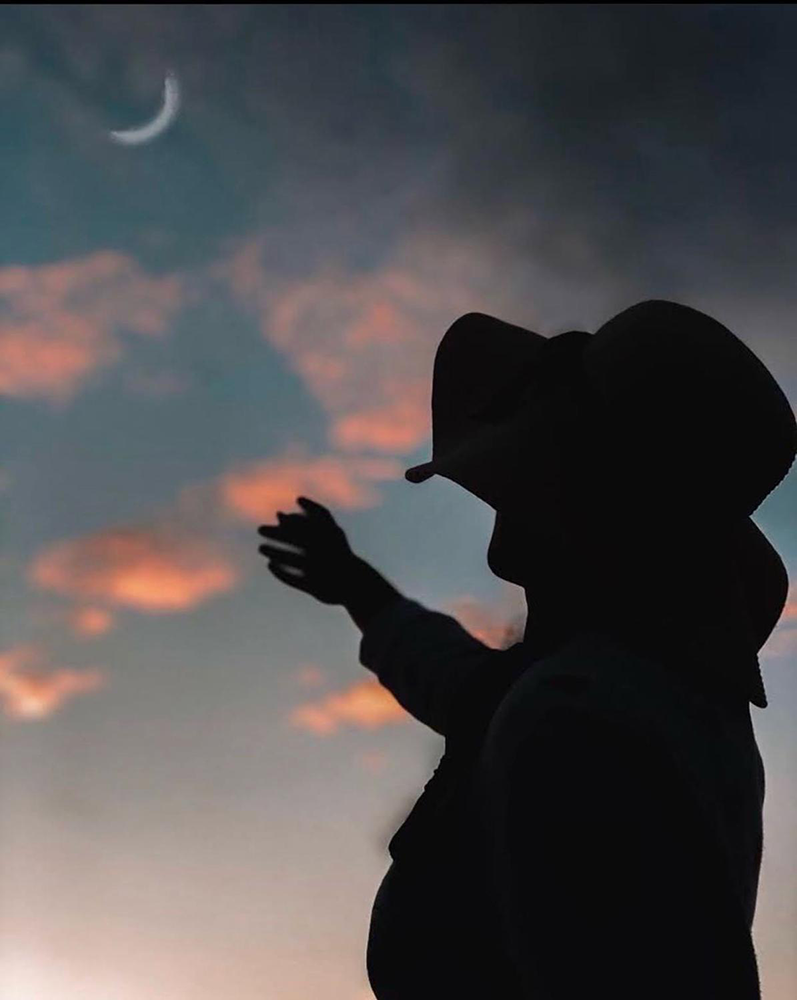
Right now, I’m focusing on expanding my practice beyond still imagery, moving more deeply into film and exploring how motion can enhance the emotional and cinematic qualities that already exist in my photography.
An important upcoming moment for me is my exhibition in Milan, where I’ll be presenting my work in a new context. Alongside the exhibition, I’m also incredibly honored to be receiving the Woman Art Award, which feels like a meaningful recognition of my journey and evolution as an artist.
Looking ahead, I’m planning to produce more films that build on my visual language—blending photography, fashion, and narrative into more immersive experiences. It’s a natural progression for me, and I’m excited to continue pushing my work into new forms while staying true to the emotional core that defines my practice.
How has your practice evolved over the years – what has changed, and what has stayed the same?
My practice has evolved quite organically over the years. In the beginning, it was more about exploration—understanding the camera, experimenting with different styles, and finding my visual voice. As I grew more confident, my work became more intentional. I started to think less about just capturing an image and more about constructing a mood, a narrative, and a distinct atmosphere.
One of the biggest changes has been the level of control and precision in my work. I now approach each image with a clearer vision—considering styling, lighting, and composition in a more cinematic way. My editing process has also become more refined, allowing me to shape the emotional tone of the image more consciously. Recently, I’ve also begun expanding into film, which is pushing my practice into new territory and allowing me to explore storytelling in a more immersive way.
At the same time, what has stayed the same is the core of why I create. I’ve always been driven by emotion—by the need to translate internal feelings into something visual. Themes like introspection, solitude, and subtle tension have been present from the start, even if they’ve become more defined over time.
What advice would you give to emerging artists just starting out, looking back on your own journey?
I would say first—be patient with your process. It takes time to understand your voice, and it’s something you build through consistency, not something you suddenly “find.” Don’t rush to define yourself too early. Let your work evolve naturally.
Focus on creating as much as possible, even when you feel unsure. In the beginning, I was experimenting a lot, and that phase is essential—it allows you to understand what truly resonates with you. Not every image needs to be perfect; what matters is that you keep going and stay curious.
Also, try not to compare yourself too much to others. It’s easy to get caught up in what everyone else is doing, especially today, but your strength lies in what feels personal to you. The more honest your work is, the more it will stand out.