
My name is Harry Kim. I was born and raised in South Korea and am currently based in California. I am a visual development artist and children’s book illustrator, and a graduate of ArtCenter College of Design. Growing up, I was deeply inspired by animated films, which sparked my passion for visual storytelling.
@harry_kim369 | www.harrykimart.com
INTERVIEW
How did you find your way into art – was there a specific moment or person that set you on this path?
I loved drawing from a very young age. The walls of my room were covered with my drawings, and I spent hours creating imaginary characters and stories. I was also a huge fan of animation, especially films from Disney, Pixar, and DreamWorks. Those films inspired my imagination and naturally led me toward art.
As I got older, I began to wonder whether I could really make a living as an artist. I worried about failure and questioned if pursuing such a big dream was realistic. During that time, my parents became my greatest source of encouragement. They believed in my artistic ability from an early age and gave me the confidence to keep moving forward.
I eventually enrolled at ArtCenter College of Design, where I built a strong foundation in visual storytelling and illustration. It was one of the most challenging yet rewarding experiences of my life. The long nights, constant critiques, and creative challenges taught me resilience and pushed me to grow both as an artist and as a person.
Today, I hope to create illustrations that bring stories to life and leave a lasting emotional connection with readers, just as the animated films I loved as a child inspired me years ago.
How would you describe your artistic practice to someone encountering your work for the first time?
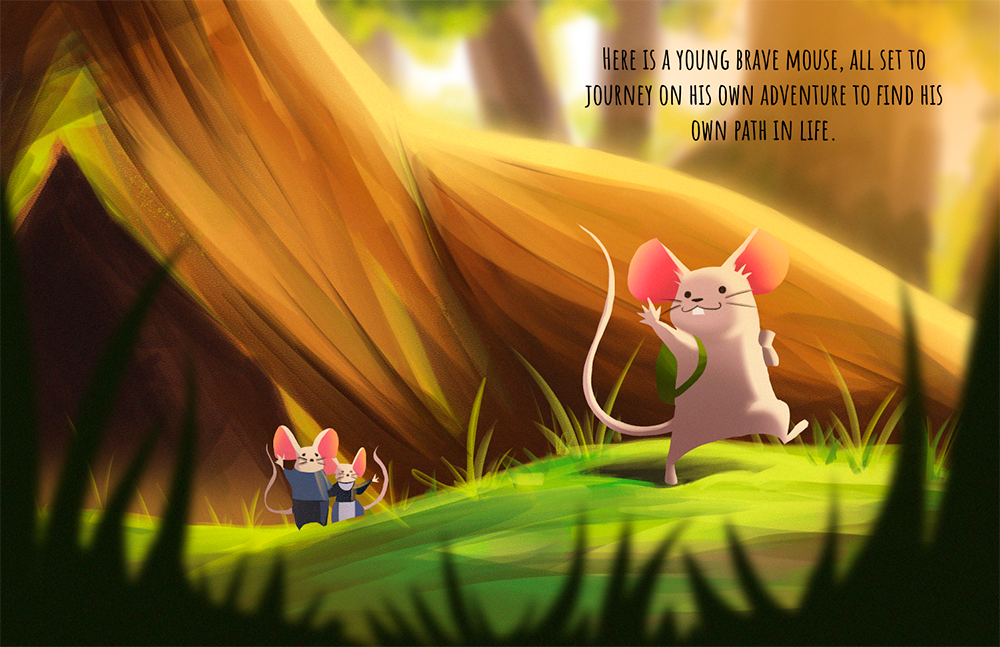
To me, drawing is a language. It is a way of communicating stories and emotions visually, and that is at the heart of my artistic practice.
As a children’s book illustrator, I want to create books that can be enjoyed by both children and adults, while offering something more than simply beautiful images. When I was young, I loved the books my mother read to me before bed. Many of them carried lessons that stayed with me, and I hope to create stories that can offer that same sense of discovery. I want my books to encourage imagination, open the door to possibilities, and bring a sense of hope and love to readers. Ideally, they can also become a bridge between children and adults.
My work as a visual development artist comes from the same desire to communicate through images. I love the challenge of taking a story or idea and expressing it clearly within a single image, so that viewers can immediately feel what is happening and understand the world behind it.
If someone asked me what kind of artist I am, I think I would simply say I am a storyteller and a communicator.
What themes or ideas keep returning to your work, even when you don’t plan for them?
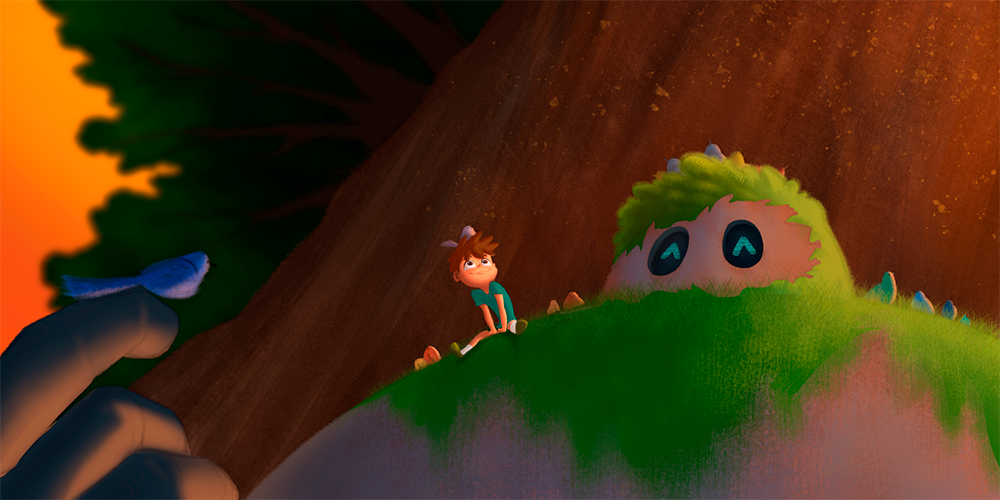
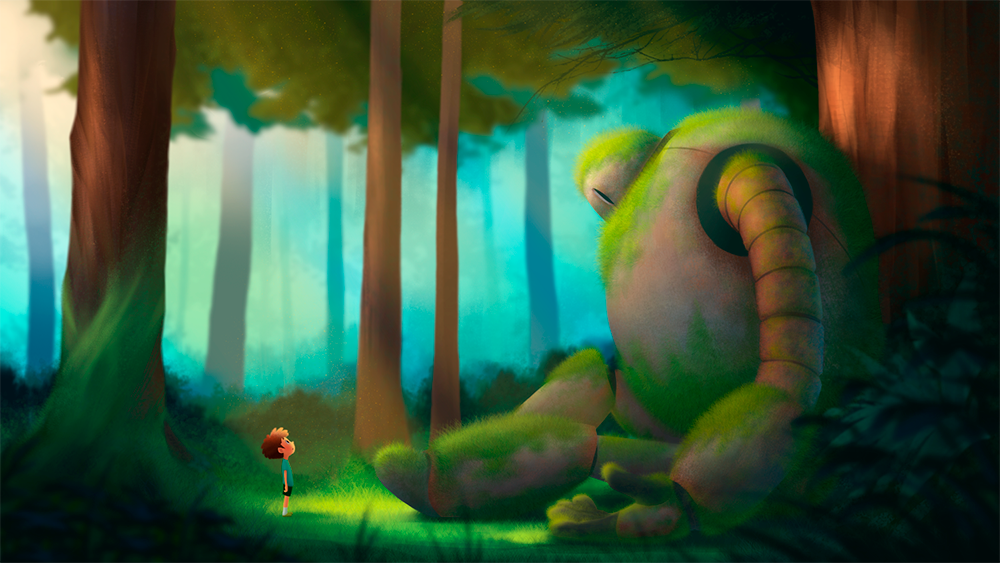
Curiosity and imagination are probably the themes that return most often in my work. I’m drawn to moments when a character discovers something new, steps into an unfamiliar world, or finds the courage to move forward. I think there is something powerful about that sense of possibility—the feeling that there is always something beyond what we already know.
Hope and emotional connection also naturally find their way into my work. Whether I’m creating a children’s book illustration or developing a visual world for animation, I want the characters and their stories to feel sincere and relatable. Ultimately, I hope my work can remind people to stay curious, imagine beyond their circumstances, and believe that there is always the possibility of something better.
Can you walk us through your process – from the first idea to a finished piece?
My ideas can come from almost anywhere, but I’m especially inspired by things I encounter visually. A striking advertisement, an interesting building, a cute animal, or a great film can spark an idea. When inspiration hits, I open the notes app on my phone and write down whatever comes to mind. I usually end up with far more ideas than I can turn into illustrations, which is part of the fun.
Once I choose an idea, I start by writing. I think about the story, its theme, and what kind of characters could bring it to life. With a rough narrative in place, I begin sketching characters and environments. Once I find designs that feel right, I develop them further and create four to six thumbnails for each scene.
After choosing the strongest thumbnails, I develop each scene through lighting, color, details, and the characters’ emotional progression. One of the hardest parts is knowing when to stop. There is always something I could improve, so I eventually decide when a piece has reached the point where it communicates what I want to say. Finally, I review all the scenes together to make sure the visual flow feels natural, and the emotional story connects from beginning to end.
What are you currently working on, and are there any upcoming exhibitions or projects you’d like to share?
At the moment, I’m developing several projects from a collection of ideas rather than focusing on just one. I often find myself sketching different possibilities and asking myself what stories I truly want to express through my work. I’ve also been spending more time getting to know myself and paying attention to the things I see and feel in everyday life. I continue to record those experiences in my sketchbooks, so I don’t feel that I’m stepping away from art at all. In fact, I think these quiet moments are becoming an important part of my creative process.
For my upcoming projects, I plan to expand on the stories and worlds from my previous visual development work, exploring them through new characters and narratives. I also hope to gradually develop some of the ideas that currently exist only as sketches.
As for an exhibition, I would like to wait until I have built a larger body of work that feels truly personal and reflects my own voice. I don’t have any exhibition plans at the moment, but I hope to share my work in that way when the time feels right.
How has your practice evolved over the years – what has changed, and what has stayed the same?
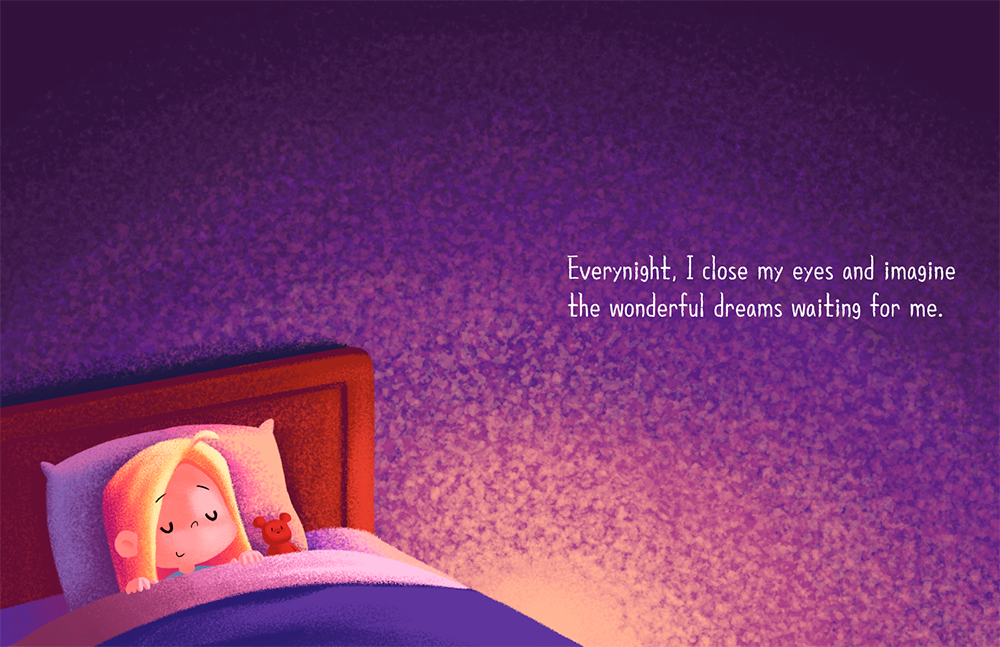
Over the years, my work has become more focused on storytelling. When I was younger, I was mainly concerned with drawing things that looked interesting or beautiful. As I studied and gained experience, I became more interested in what an image can communicate beyond its appearance—how a character’s expression, the environment, lighting, or composition can suggest an entire story.
My process has also become more intentional. I now spend more time developing the story, characters, and visual direction before moving toward a finished piece. At the same time, the most important part of my practice has stayed the same: my curiosity and love for drawing. I still get excited when I discover a new idea, and I still want my work to communicate something meaningful to the viewer.
That said, I think there will always be a part of me that wants people to look at my work and think, “That’s a beautiful image,” or simply, “This artist really knows how to draw.” I suppose that’s something I can’t completely let go of as an artist, haha.
What advice would you give to emerging artists just starting out, looking back on your own journey?
I’m still learning myself, and I haven’t been an artist for very long, but if there’s one thing I would tell emerging artists, it would be to focus on the process rather than only the result.
There was a time when I became obsessed with making every piece “good.” I pressured myself to be technically perfect and gain recognition from the industry.
Those things are important, but I became so focused on the outcome that I lost sight of why I loved art in the first place.
For a while, I even forgot the joy of drawing and telling my own stories.
I know these experiences are part of growing, but I wish someone had told me not to be so hard on myself. I’m not saying we shouldn’t work hard. I simply hope we can learn to enjoy the process along the way.
I think of it like a flower. Before it blooms, a seed must endure darkness, rain, and winter. Perhaps that is what makes the flower so beautiful when it finally blooms. Our struggles can be the same. Someday, we may look back and realize those difficult moments were part of what allowed us to bloom.
So I hope emerging artists enjoy their everyday lives, discover what they want to create, and never lose the joy of drawing along the way.